Behavioral Science

Understanding Habits: The Science Behind the Loop

Habits aren't magic — they're neuroscience. Understanding how habits work gives you the power to change them deliberately and permanently.

Cue → Routine → Reward

MIT researchers discovered in the 1990s that all habits follow a three-step neurological pattern called the habit loop. Understanding this loop is the foundation of all habit change.

🔔

Cue

A trigger that tells your brain to enter automatic mode and which habit to use. Can be a time, place, emotion, or preceding action.

⚙️

Routine

The behavior itself — physical, mental, or emotional. This is what we typically think of as "the habit." It can be simple or complex.

Reward

The benefit your brain gets from the routine. This tells your brain whether this loop is worth remembering for the future.

🧠

Craving

The anticipation of the reward. This is what drives the loop. Without craving, the loop doesn't run automatically.

"The Golden Rule of Habit Change: you can't extinguish a bad habit, you can only change it. Keep the same cue and reward, but insert a new routine." — Charles Duhigg, The Power of Habit

Not All Habits Are Equal

Charles Duhigg identified "keystone habits" — habits that trigger a chain reaction, causing other habits to shift as well. Exercise is perhaps the most studied keystone habit: people who start exercising regularly also tend to eat better, sleep better, and become more productive.

Understanding the different types of habits helps you prioritize which ones to build first for maximum impact on your life.
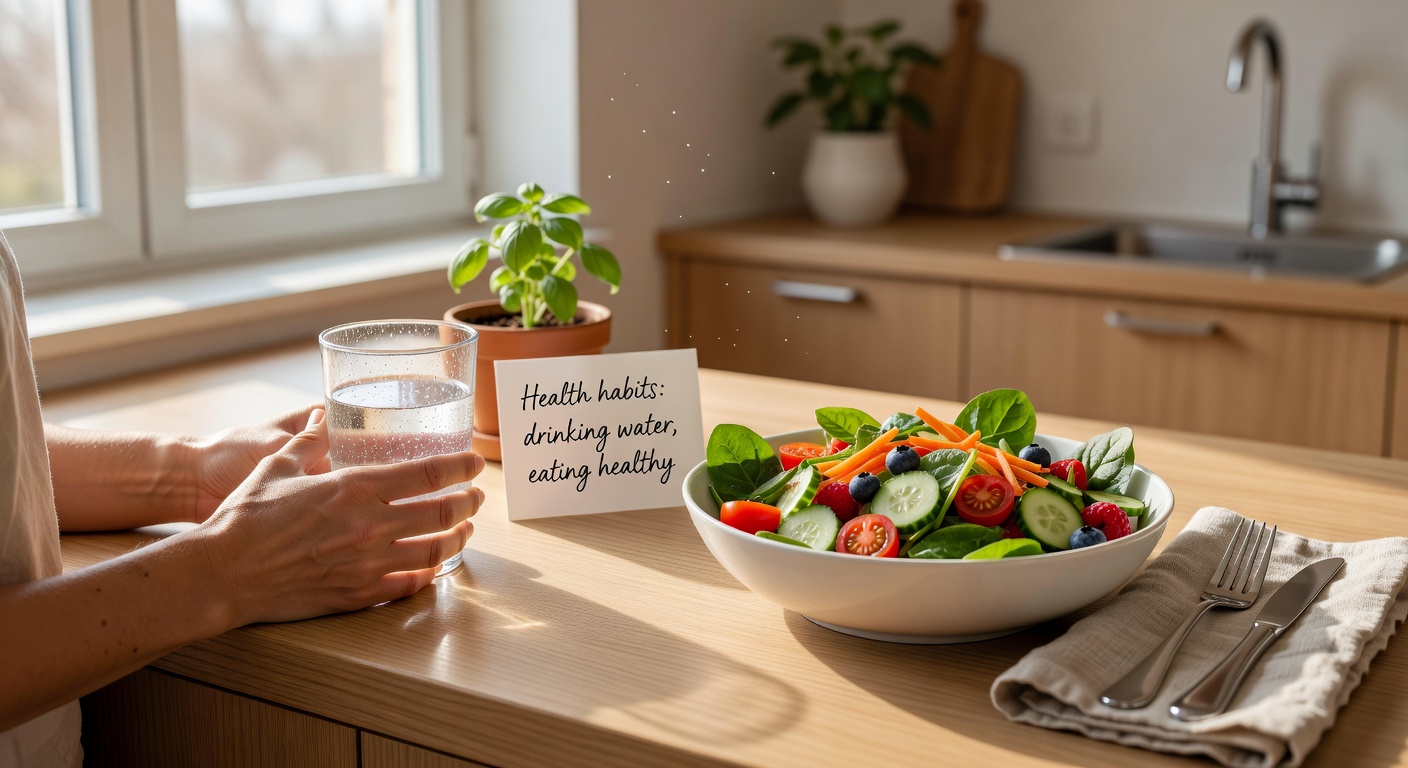
Health Habits
🔑

Keystone Habits

High-leverage habits that trigger positive cascades. Examples: Exercise, morning routine, meal planning, journaling.

🧩

Foundation Habits

Basic self-care habits that provide the energy for everything else. Sleep, hydration, movement, and nutrition.

📈

Growth Habits

Habits focused on learning and improvement. Reading, skill practice, creative work, and deliberate learning.

🤝

Social Habits

Habits that strengthen relationships and community. Gratitude expression, active listening, regular connection.

🧘

Recovery Habits

Habits that replenish your mental and physical resources. Meditation, nature time, hobbies, creative play.

⚠️

Bad Habits

Automatic behaviors that undermine your goals. These follow the same loop structure and can be replaced, not just removed.

Breaking Bad Habits

How to Build Good Habits

  • 1

    Start Impossibly Small

    Make the habit so small it feels almost silly. Not "exercise for 30 minutes" but "put on workout shoes." Build the identity, then scale the behavior.

  • 2

    Design Your Environment

    Make good habits obvious and easy. Put your running shoes by the door. Put your book on your pillow. Remove friction wherever possible.

  • 3

    Use Habit Stacking

    Anchor new habits to existing ones. After my morning coffee, I will journal. After I brush my teeth, I will stretch. Link new to old.

  • 4

    Track and Celebrate

    Mark every completion, no matter how small. The act of tracking creates a satisfying visual cue that reinforces the behavior loop.

  • 5

    Never Miss Twice

    Missing once is an accident. Missing twice is starting a new habit. When you miss, get back immediately. The comeback is the habit.

How to Replace Unwanted Behaviors

You cannot simply stop a bad habit. You must replace it. The key is keeping the cue and reward while substituting the routine.

🔍

Identify the Cue

Track your bad habit for a week. Note the time, location, emotional state, preceding action, and people present. Look for patterns.

🎯

Identify the Real Reward

What does the bad habit actually give you? Stress relief? Social connection? A sense of control? The reward drives everything.

🔄

Design a Replacement

Create a new routine that satisfies the same craving. If smoking relieves stress, try deep breathing or a brief walk instead.

🏗️

Change Your Environment

Make bad habits harder to access. Remove temptation from your environment. Increase friction until the habit breaks naturally.

Read: Beat Procrastination With Habit Strategies